
Easy mode
24 Steps
19.44×Final step coefficient · original gameStart with the screen, then the results
In Chicken Road, InOut puts a growing return beside a chicken’s next crossing. Explore the demo first, then use our 12,000-round test to see how far the captured games went.



Practice balance only. No withdrawal value. For adults 18+.
RTP where published: 98% · Maximum payout stated for the game: 10,000 USD · Your local budget currency: PKR (Rs); the game’s stake limits are quoted in USD
Read the edition notesPick your road
A harder mode changes the steps and multipliers. It does not make the next outcome predictable.
24 Steps
19.44×Final step coefficient · original game
22 Steps
1,788.8×Final step coefficient · original game
20 Steps
41,321.43×Final step coefficient · original game
15 Steps
2,542,251.93×Final step coefficient · original gameCoins illustrate the layout. The figures use InOut’s demo settings.
Our round test
Each round ended at loss or completion. These are past demo results. Your next crossing remains unknown.
Original game · survival at the first step · pointwise Wilson intervals
The game family

Our own demo captures
Read next
Learn the controls and cash-out choice.
2Compare the complete multiplier ladders.
3Read the published provider figures.
4See what fairness checks can show.
5Use a browser and recognise unofficial apps.
6Separate the game from misleading claims.
7Check your chosen operator’s terms.
8Recognise claims about future outcomes.
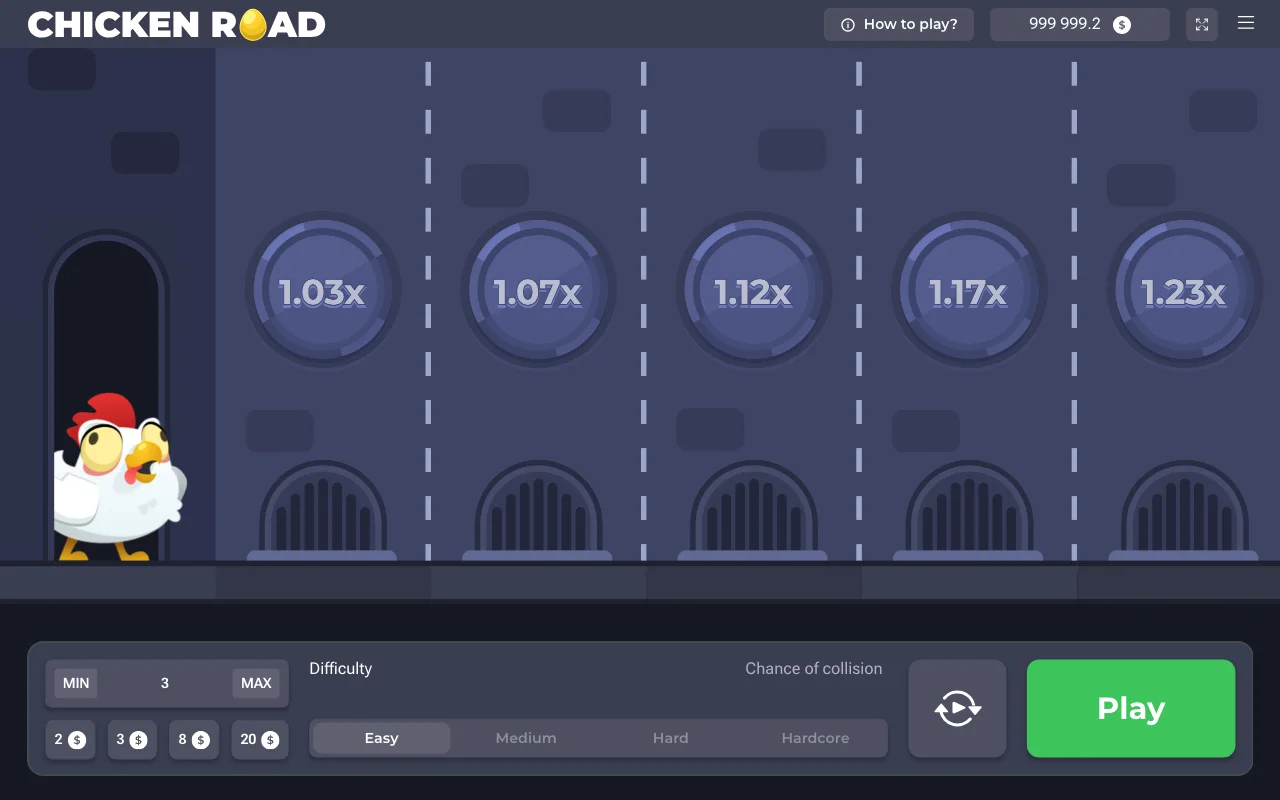
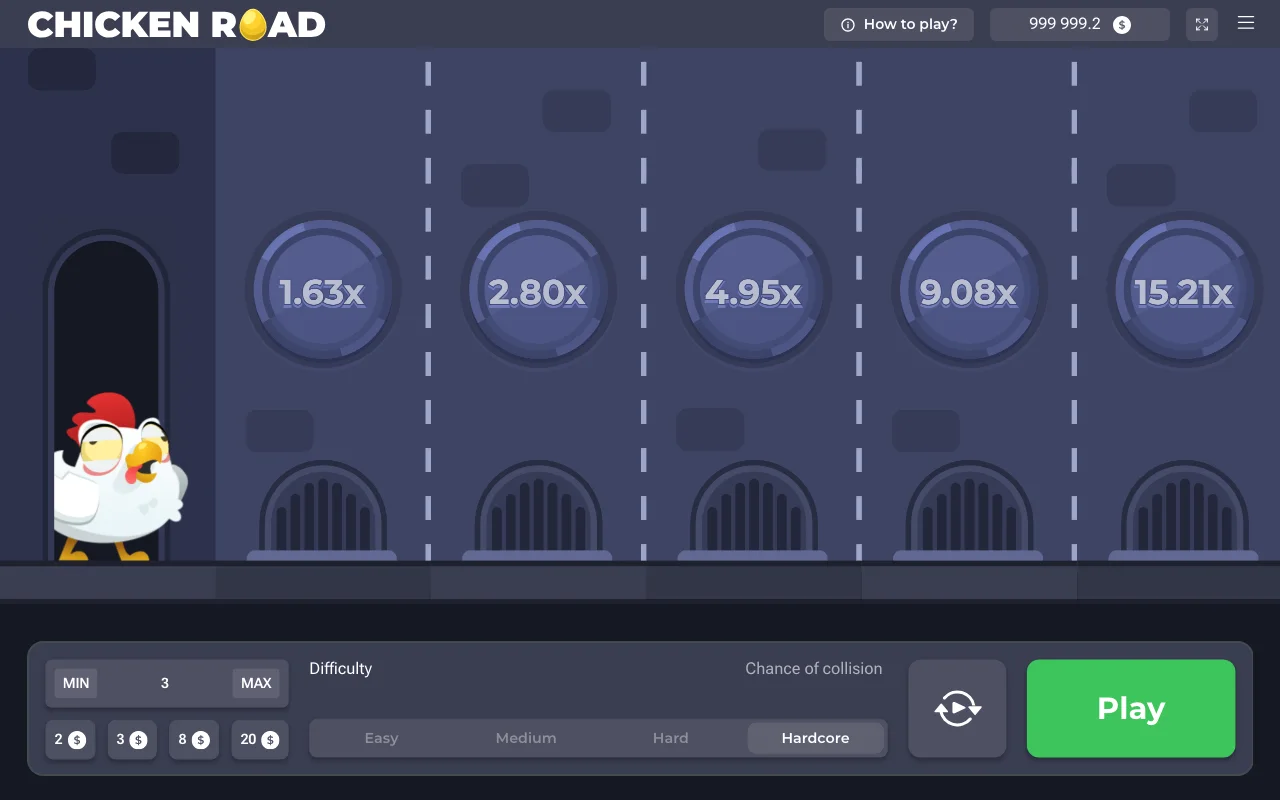
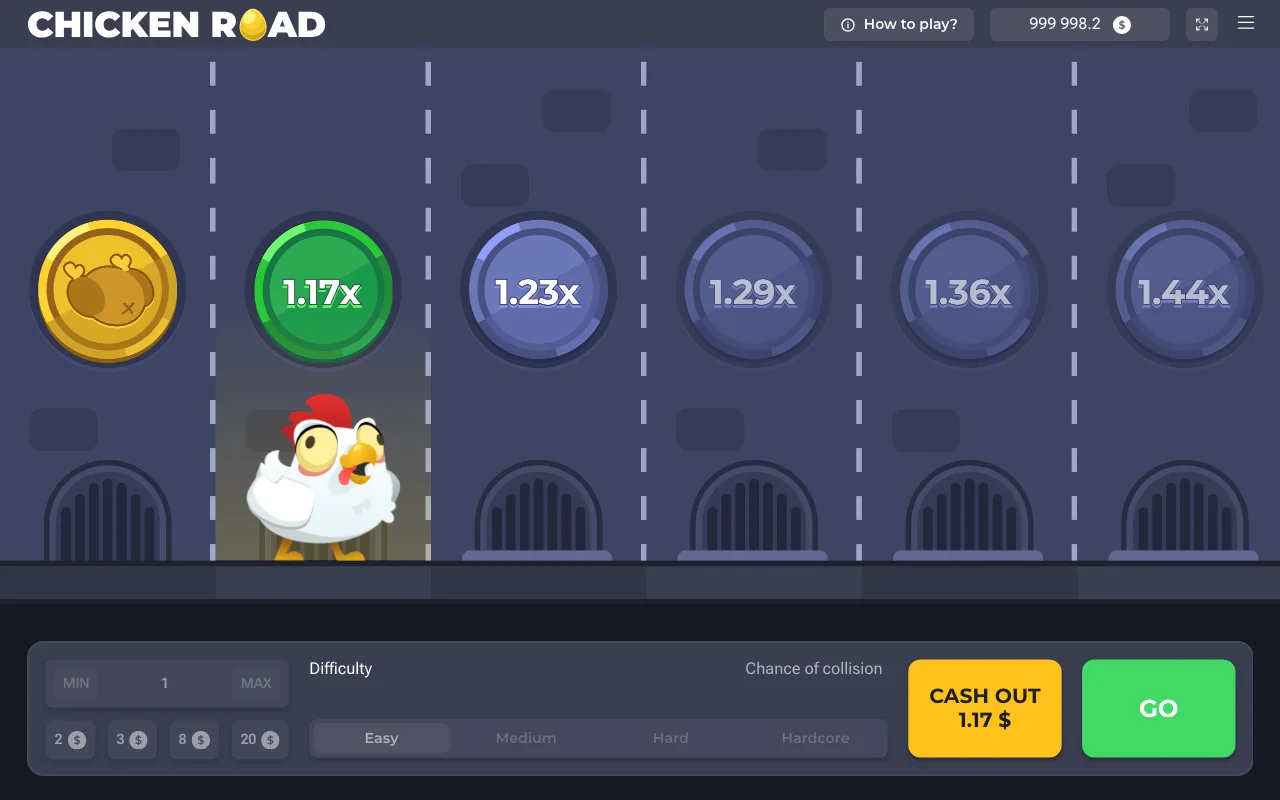
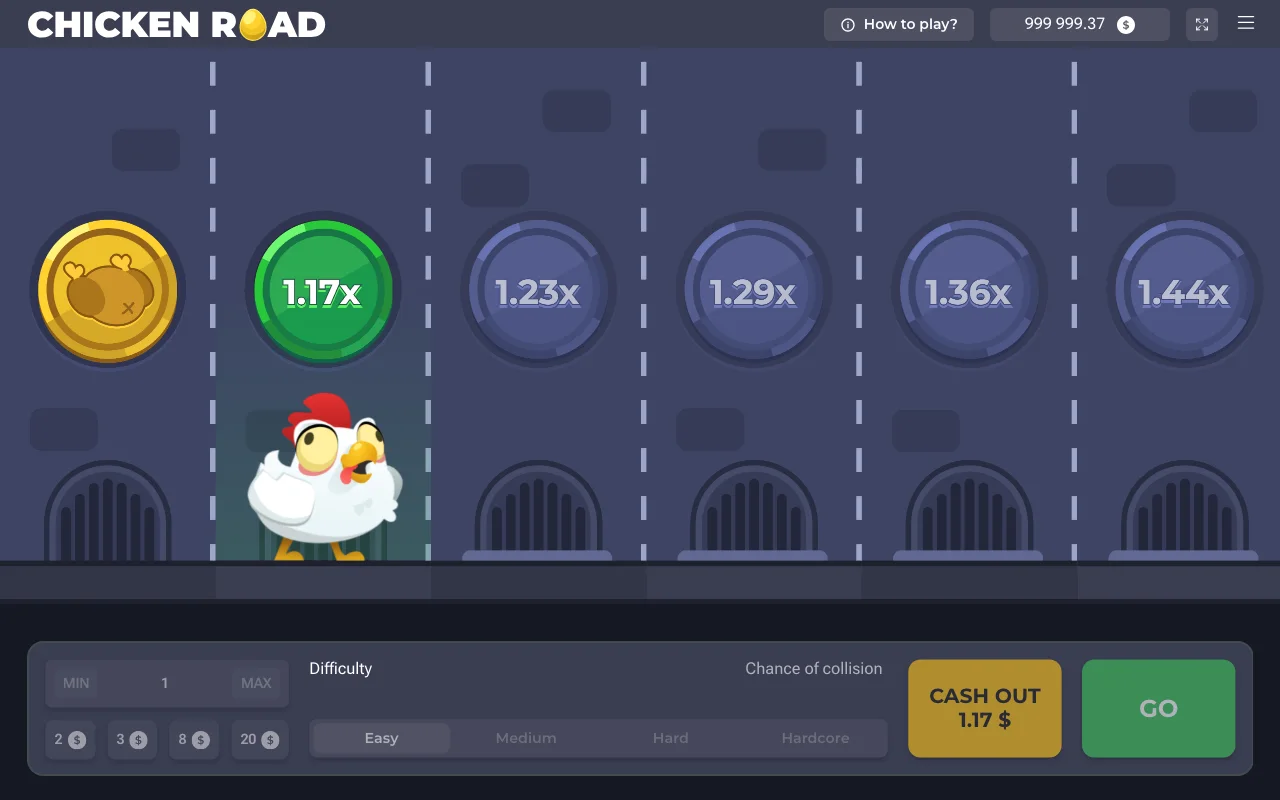
Choose a mode and stake before setting the chicken moving. After a safe crossing, a collect button offers the current amount. Taking it closes the round; pressing ahead puts that return at stake again. A hazard finishes the attempt with the starting stake lost. You decide whether to continue, while the game determines what that crossing produces.
The screen keeps the choice visible. Read the next multiplier against the amount you can already collect, without confusing either value with your wallet balance. If you prefer to watch before deciding, use the demo controls at your own pace. Best Chicken Road connects that hands-on view with the published game details and our captured observations.
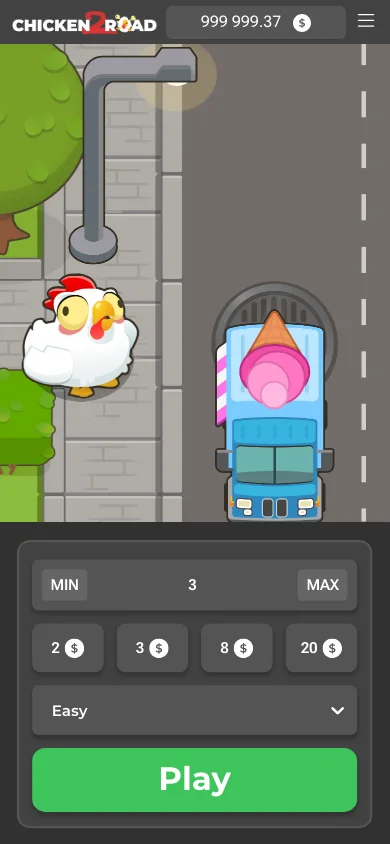
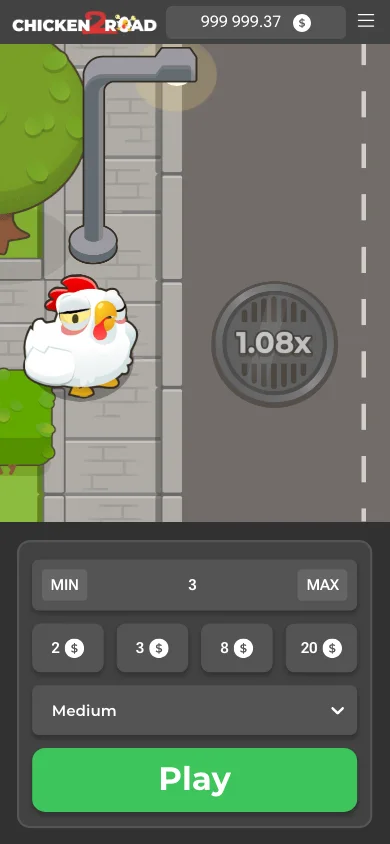
Chicken Road 2 carries the familiar premise into a different set of road lengths and coefficients. A mode name alone cannot identify the numbers you are looking at. Select a game first, then follow its ladder; only compare the other version once you have kept the names straight.
For specifications, read the first release review or second release review. Each holds the provider limits for that title. The cards on this page provide a quick way to switch your attention between them without copying the complete fact tables.
Open the demo when you want to see how a round works without putting cash into it. Check the selected game name and demo balance, choose a mode and look for the stake control. After a successful crossing, compare the current return with the next multiplier. Collect once to see how a finished round appears, then start again only if you still have a control to understand.
Demo credits are practice units with no cash value. The useful part is getting familiar with the screen: the difference between a stake and a return, where a mode changes, and how a collision ends the round. You can explore those details at your own pace, including on a phone.
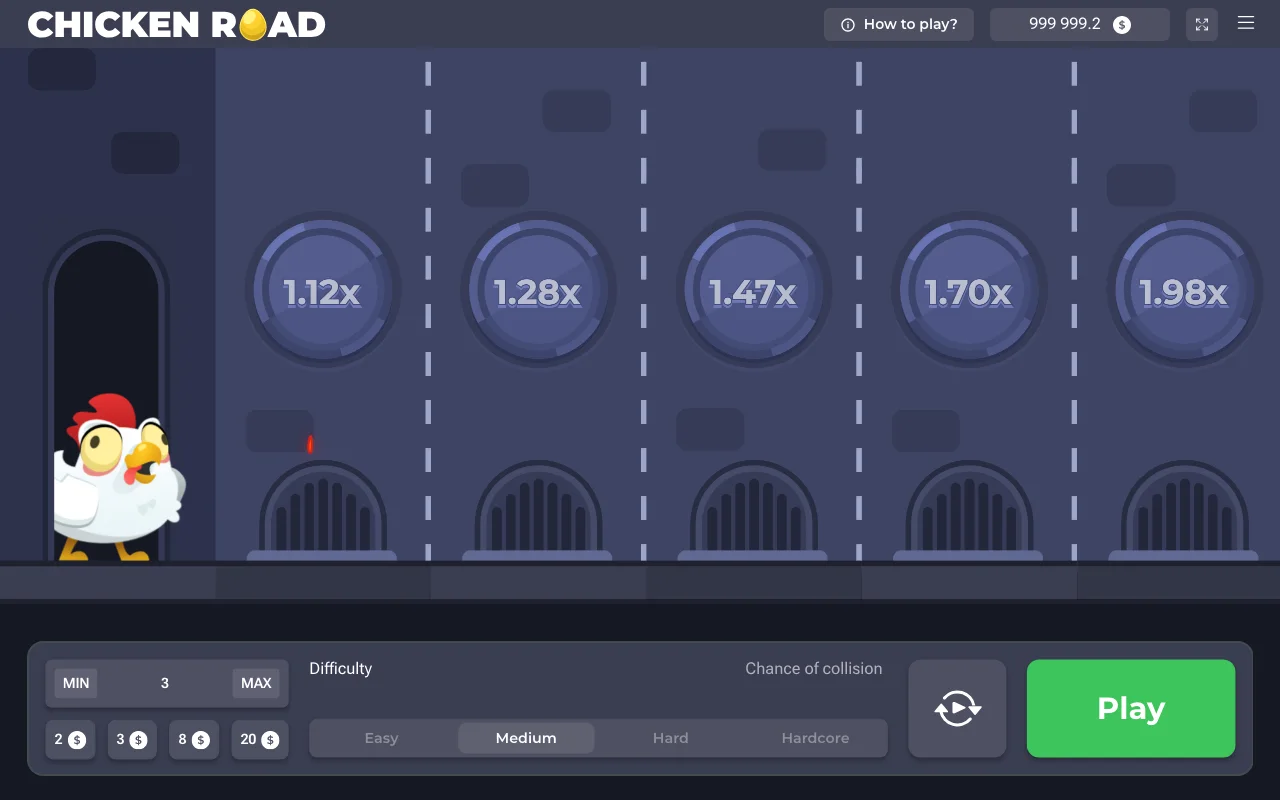
Try original Easy beside sequel Easy. Watch how the opening values and ladder length differ, then decide which explanation you want to read next. A demo run answers questions about the interface and your own choices. The result of that run does not carry forward to another round or turn into a cash balance.
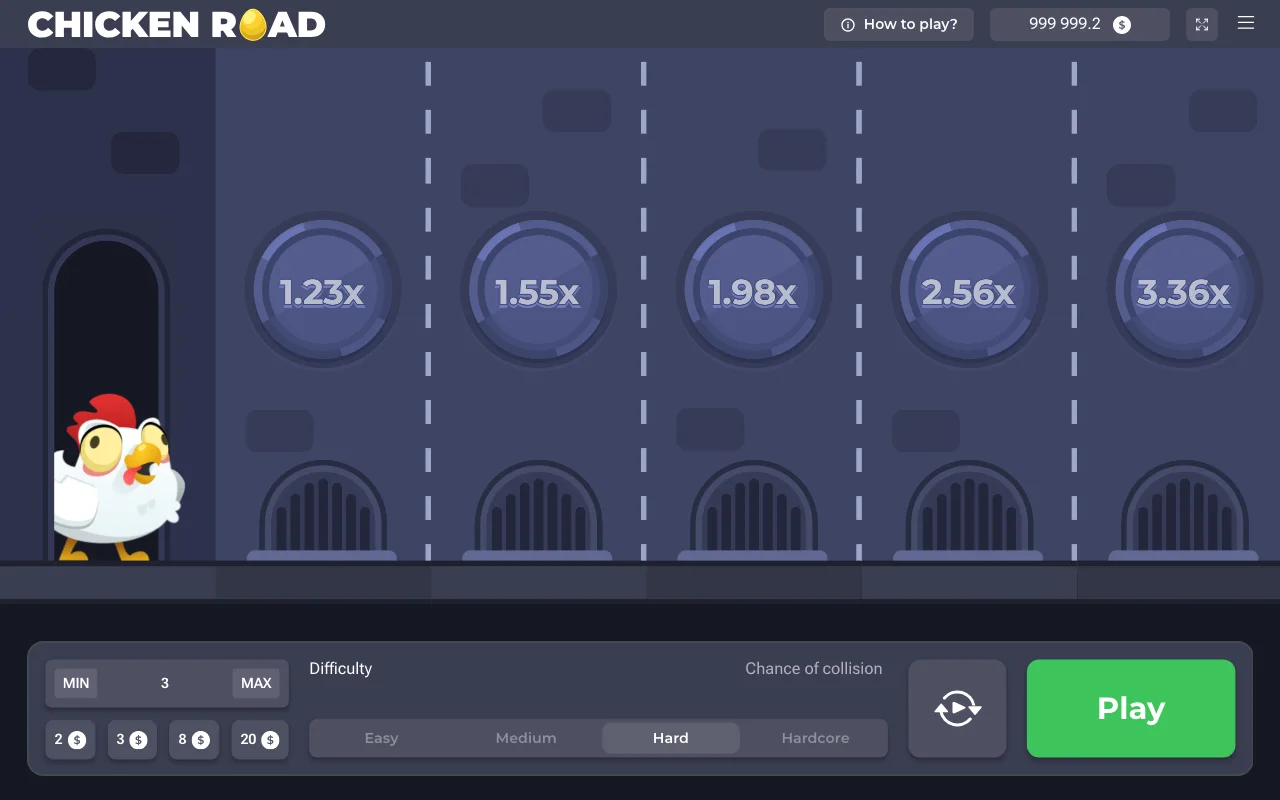
Start a mode comparison near the beginning of each road. Notice how quickly the displayed return changes, then look farther along the same ladder. The largest coefficient can dominate your attention while saying little about how often that point appeared in our recordings. Pair the ladder with the corresponding survival curve to keep both questions in view.
The mode page lays out the full sequence. Use it when you want to compare individual positions rather than the short summary below. A different setting changes the available steps and coefficients; a recent collision does not make another difficulty due for a successful run.
We captured the demos with a fixed rule: continue until the road finished or the round lost. The test panel below gives a first look at those observations. Choose a game and setting before reading a percentage, since each curve belongs to its own group of rounds.
A survival count tells you how many starts made it as far as the selected position. The surrounding interval shows the uncertainty in that estimate. Open the full test results to follow later steps, then read how we captured them for the rules behind the chart. The source rows are available when you want to check a calculation yourself.
A mobile browser lets you use an available game page without looking for a separate InOut installation package. Rotate the phone if the page supports it, expand the game view when helpful and check that you can read the stake and cash-out controls. The useful test is whether you can tell the current round state at a glance.
Close unrelated overlays before exploring the demo. A small screen can place a balance label close to a bet button, and it helps to know which number you are reading. Try the controls with demo credits until the difference between the wallet balance, stake and current return feels clear.
If a connection stalls, let the page settle before taking another action. For a real-money round, use the casino's round history to check the result. Browser navigation and the game server can move at different speeds during an interruption, so a frozen picture alone cannot explain how a round finished.
Questions about signing in or moving a balance belong with the operator running the account. We keep those practical checks on the play page, away from the explanation of the road itself. The demo and captured test remain available to read without an account.
You can finish with whichever view answers your question. A newcomer might want to find the collect control; someone comparing versions may prefer the two reviews; a reader interested in the charts can open the source file. There is no required sequence between those choices, and no reason to treat reading the game as a commitment to play.
The stake is the amount committed when a round starts. A multiplier shows a conditional total return at a successful position. That total includes the original stake, so the entire figure beside a cash-out button is not extra profit. The difference between the collected total and the initial stake is the round's profit, when there is one.
The game cap sits above that multiplication. If the stake multiplied by a distant coefficient exceeds the cap, the maximum-win rule becomes relevant. Read that rule in the game information panel rather than assuming every displayed coefficient produces an unlimited cash payment.
Finally, distinguish a collected round from a withdrawal. Cashing out ends your exposure in the active round and adds its settled result to the game balance under the operator's rules. Moving an available balance to a bank or wallet is a separate cashier request. Knowing the difference makes the interface easier to read and account questions easier to describe.
The return page explains how a published theoretical return differs from a session balance. The glossary covers unfamiliar words, while the comparison keeps the two versions together. Pick the explanation closest to the question on your screen instead of trying to absorb every figure at once.
It can help to return to the demo after reading a definition. Locate the value described, see when it changes and stop when that connection is clear. A cash-out amount, a completed-road count and a survival share describe different things, even when they appear beside the same game name.
Pause before acting on the game overview. For adults 18+ only. Choose time and money limits. Take breaks regularly. Never chase losses.
Confirm methods in your cashier. Pakistan restricts gambling; check applicable local law.
After a successful crossing, you choose between taking the current return and attempting another step. Collecting finishes that round; a collision ends it with the stake lost.
The sequel extends the Easy road. Its review lists every step, and the comparison page lets you place the two versions alongside one another.
Demo credits have no cash value. Use them to try the controls and compare modes; only a separate real-money account can have a cash balance subject to its own terms.
It shows the share of displayed demo rounds reaching a position. Read the game, mode and round count beside it to understand exactly which results went into that figure.
The casino handling your account manages deposits and withdrawals. Best Chicken Road explains the games and cannot access your account, process a transfer or settle a payment request.
Gambling involves a risk of losing money. Set time and spending limits, never chase losses, and use support if play stops being enjoyable.